Schools and Education in Worksop: A Comprehensive Guid
Choosing the right educational path for children represents one of the most important decisions families make. Worksop offers a diverse range of educational establishments, from nurseries and primary schools to secondary education and further education opportunities. This comprehensive guide explores the educational landscape of Worksop, providing insights into the schools and learning institutions that serve the town's young people.
Early Years and Nursery Provision
The foundation of a child's education begins long before formal schooling, and Worksop provides numerous options for early years care and education. Various private nurseries operate across the town, offering childcare and early learning for children from a few months old through to school age.
Many primary schools in Worksop include nursery provision as part of their offering, allowing children to settle into the school environment before starting reception class. This arrangement provides continuity and helps ease the transition into formal education. The nursery classes typically follow the Early Years Foundation Stage curriculum, focusing on learning through play and developing social skills alongside early literacy and numeracy.
Childminders also provide important early years provision throughout Worksop, offering more intimate care settings in home environments. Ofsted regulates these providers, with inspection reports available for parents researching options.
Primary Schools in Worksop
Worksop's primary schools serve different neighbourhoods across the town, with catchment areas generally determining which school children attend. The primary phase typically covers reception through Year 6, ages four to eleven.
North Worksop Primary Schools
Prospect Hill Infant School on Prospect Terrace serves younger primary pupils in the northern part of town. Infant schools specialise in the early primary years, providing a nurturing environment where children develop fundamental skills in a setting focused specifically on younger learners.
Gateford Park Primary School, located on Gateford Road in the Gateford area, serves one of Worksop's newer residential developments. The school building reflects modern educational design principles, with purpose-built facilities supporting contemporary teaching methods.
Central Worksop Primary Schools
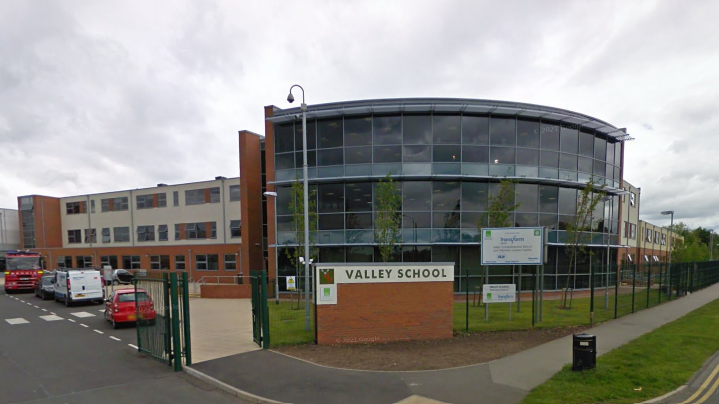
Outwood Academy Valley on Valley Road provides education in a central location, serving families living in the town's core residential areas. The school's position makes it accessible to many families within walking distance.
St Anne's Catholic Primary School on Carlton Road serves the Catholic community in Worksop, though it welcomes applications from families of all faiths. Faith schools often emphasise particular values and traditions whilst delivering the national curriculum.
South and East Worksop Primary Schools
Manton Primary School serves the Manton area, located on Manton Primary Avenue. This school serves a distinct neighbourhood of Worksop, with strong community connections.
Redlands Primary and Nursery School on Gateford Road provides education incorporating nursery through to Year 6, offering continuity throughout the primary phase. The inclusion of nursery provision helps families access childcare and education in one location.
Woodlands Primary School, situated on Park Drive near the southern edge of Worksop, serves families in this area. The school sits in a relatively green part of town, with playing fields and open space nearby.
Worksop's Smaller Primary Schools
Several smaller primary schools serve specific communities around Worksop. These include schools in neighbouring villages that fall within the town's wider catchment area. Smaller schools often cite their intimate atmosphere and strong sense of community as advantages, with staff knowing every child and family personally.
Secondary Education Options
The transition to secondary school represents a significant milestone, and Worksop offers several options for this crucial phase of education.
Outwood Academy Valley
Outwood Academy Valley on Valley Road provides secondary education for students aged 11 to 16. The academy, part of the Outwood Grange Academies Trust, operates under the academy model that has become increasingly common in English education. The school occupies a large site with facilities including science laboratories, sports halls, and specialist teaching spaces.
The academy structure means the school has certain freedoms regarding curriculum and organisation whilst still following national educational standards. Outwood Grange Academies Trust operates numerous schools across the North of England and Midlands, bringing multi-academy trust resources and support to Valley.
Outwood Academy Portland
Outwood Academy Portland on Sparken Hill serves as another secondary option within Worksop. Also part of the Outwood Grange Academies Trust, Portland provides comprehensive secondary education through to Year 11. The school's position on Sparken Hill places it in a different part of town from Valley, serving different catchment areas.
Both Outwood academies offer a range of GCSE options, extracurricular activities, and pastoral support services. The schools compete in local sports leagues, participate in regional competitions, and provide opportunities for students to develop interests beyond the core curriculum.
Sixth Form Provision
For students continuing education beyond GCSE, sixth form provision within Worksop's secondary schools offers A-level and vocational courses. These post-16 options allow students to specialise in subjects relevant to their university ambitions or career plans whilst remaining within familiar school environments.
The sixth form phase bridges secondary school and higher education or employment, with students enjoying greater independence whilst still benefiting from school structures and support. Subjects available typically range from traditional A-levels in sciences, humanities, and languages to more vocational qualifications in business, IT, and other practical fields.
Worksop College
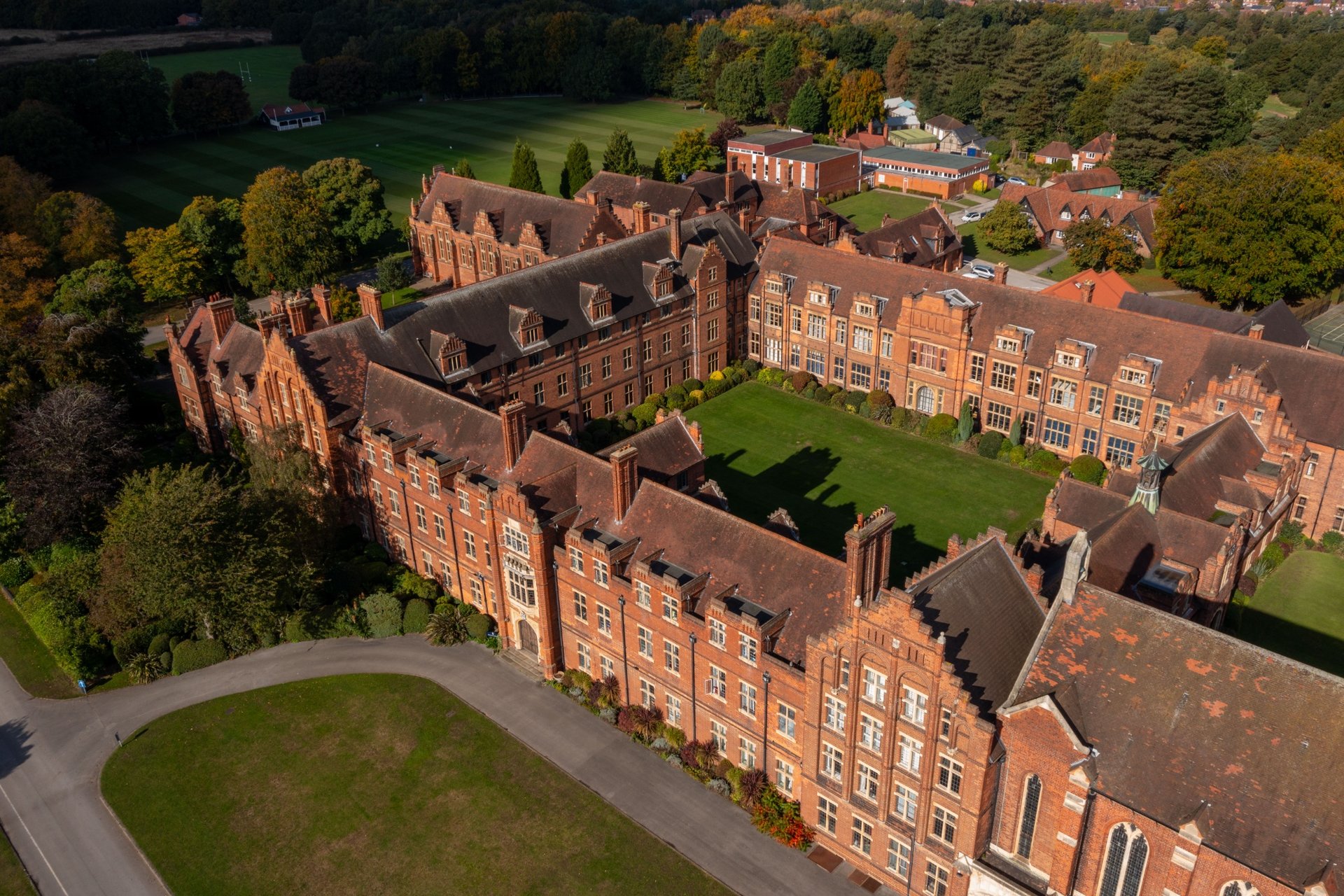
Worksop College on Windmill Lane represents a very different educational option. This independent school, founded in 1890, operates outside the state education system, charging fees for attendance. The college educates pupils from nursery age through to sixth form, with both day pupils and boarders.
The campus occupies extensive grounds west of the town centre, with historic buildings and modern facilities creating an impressive educational environment. The college chapel, sports fields, and numerous specialist teaching spaces reflect the resources available to fee-paying schools.
Independent education appeals to families seeking smaller class sizes, extensive extracurricular opportunities, and the particular ethos and traditions of schools like Worksop College. The school maintains strong connections with universities and emphasises academic achievement alongside personal development and character building.
The boarding provision attracts international students and those from across Britain whose families value the residential educational experience. Boarding schools argue that the immersive environment, with learning extending beyond formal lessons, provides unique developmental opportunities.
For families in Worksop, Worksop College offers a local independent option, avoiding the need to send children away to more distant schools. The day pupil option provides access to independent education whilst allowing children to live at home.
Special Educational Needs Provision
Schools across Worksop provide support for pupils with special educational needs and disabilities (SEND), with mainstream schools offering differentiated teaching and support services. However, some children require more specialist provision.
The Worksop area benefits from specialist schools and units designed for pupils with particular needs. These settings provide small class sizes, specialist staff, and adapted curricula that better serve children whose needs cannot be fully met in mainstream education.
Educational, Health and Care Plans (EHCPs) identify children requiring additional support, setting out the provision necessary for them to access education effectively. The local authority works with schools and families to ensure appropriate placements and support.
North Nottinghamshire College
For further education beyond school leaving age, North Nottinghamshire College provides extensive courses and training. The Worksop campus on Carlton Road offers vocational training, apprenticeships, A-levels, and adult education courses covering numerous fields.
The college serves school leavers, adults seeking retraining or new qualifications, and apprentices combining work with study. Course offerings span trades like plumbing and electrical work, care sectors including childcare and health and social care, business and IT, creative subjects, and academic pathways.
The campus includes workshops, salons, IT suites, and other specialist facilities that allow practical, hands-on learning. For many young people, college provides an alternative to sixth form, offering vocational routes into employment or progression to higher education.
Adult learners particularly value the college's flexible course offerings, with evening classes, part-time options, and distance learning allowing people to study whilst managing work and family commitments. The college works with local employers, ensuring training aligns with regional employment needs and providing clear pathways into local jobs.
School Performance and Ofsted Ratings
Parents researching schools naturally want information about performance and quality. Ofsted, the Office for Standards in Education, inspects all state schools in England, publishing reports that assess teaching, leadership, behaviour, and outcomes.
Ofsted ratings range from "Outstanding" through "Good" and "Requires Improvement" to "Inadequate". These ratings, whilst not telling the complete story of a school, provide an independent assessment of quality. Reports are publicly available on the Ofsted website, offering detailed insights beyond the headline rating.
Performance tables, published annually, show GCSE and A-level results for secondary schools and academies. These tables allow comparison between schools, though context matters significantly. Schools serving more disadvantaged communities often face greater challenges, and raw results don't reflect the progress students make or the value schools add.
When researching schools, visiting in person provides insights that data cannot capture. Most schools welcome prospective parents for tours, allowing you to observe the atmosphere, meet staff, and ask questions. The feel of a school, how students behave, and whether the environment seems right for your child matters as much as statistics.
Admissions and Catchment Areas
Admission to state schools in Worksop follows policies set by the local authority or individual academies. For primary schools, applications typically need submitting by mid-January for September admission, with decisions communicated in April. Secondary school applications follow a similar timeline but a year earlier, with Year 6 pupils applying for Year 7 places.
Catchment areas or proximity to schools often form primary admission criteria, meaning where you live significantly affects which schools you can access. Schools publish admission policies explaining their criteria, which might include siblings already attending, medical or social reasons, and distance from school.
Oversubscribed schools cannot admit all applicants, necessitating clear policies for prioritising places. Understanding these policies helps families navigate the system and make informed choices. The Nottinghamshire County Council website provides comprehensive information about school admissions, including how to apply and what to do if you don't receive your preferred choice.
School Transport
For families living beyond walking distance, school transport arrangements become important considerations. Nottinghamshire County Council provides free transport for eligible students, typically those living over certain distances from their catchment school. The exact rules vary based on age, distance, and circumstances.
Some schools organise private coach services for fee-paying routes, whilst many students rely on public buses or parents driving them to school. The school run creates significant traffic in Worksop during term time, particularly around 8:30am and 3:00pm, as parents drop off and collect children.
For secondary students, walking or cycling to school becomes more feasible, with many schools providing cycle storage. The town's relatively compact size means many students can walk, promoting independence and physical activity.
Extracurricular Activities and School Life
Education extends beyond formal lessons, with schools offering various extracurricular activities. Sports teams, music groups, drama productions, and subject-specific clubs enrich school life and help students develop interests and talents.
Many Worksop schools participate in local sports leagues, competing in football, netball, athletics, and other sports. Inter-school competitions foster healthy rivalry whilst teaching teamwork and sportsmanship. Music and drama productions showcase student talent and build confidence.
Subject clubs and academic competitions stretch able students, whilst homework clubs and revision sessions support those needing additional help. The range of activities varies between schools, with larger schools typically offering more options due to greater staff numbers and facilities.
Parent Engagement and School Communities
Strong links between schools and families benefit children's education. Parent-teacher associations, governor positions, and volunteer opportunities allow parents to contribute to school life. Many schools actively encourage parent involvement, recognising that engaged parents support children's learning at home.
Parents' evenings, reports, and increasingly sophisticated online systems keep families informed about progress and any concerns. Communication has improved dramatically with technology, with many schools using apps and websites to share information, homework, and updates.
Looking to the Future
Education in Worksop continues evolving, with schools adapting to changing educational policies, new technologies, and society's changing needs. The shift to academy status, increased focus on practical skills alongside academic achievement, and emphasis on wellbeing and mental health all shape contemporary education.
For families in Worksop, the range of educational options ensures that children can access appropriate education throughout their school years. From early years through to further education, the town's schools and college provide pathways to learning, qualifications, and ultimately employment or higher education.
Choosing schools requires careful consideration of individual children's needs, family circumstances, and practical factors like location and transport. The quality of teaching, school ethos, and available support all matter, and the right school for one child might not suit another.
Worksop's educational establishments serve the community with dedication, and whilst challenges exist, teachers and support staff work daily to provide the best possible education for the town's young people. The investment in education today shapes Worksop's future, making these institutions vital to the community's wellbeing and prosperity.