The Chesterfield Canal and Worksop: A Waterway Heritage Guide
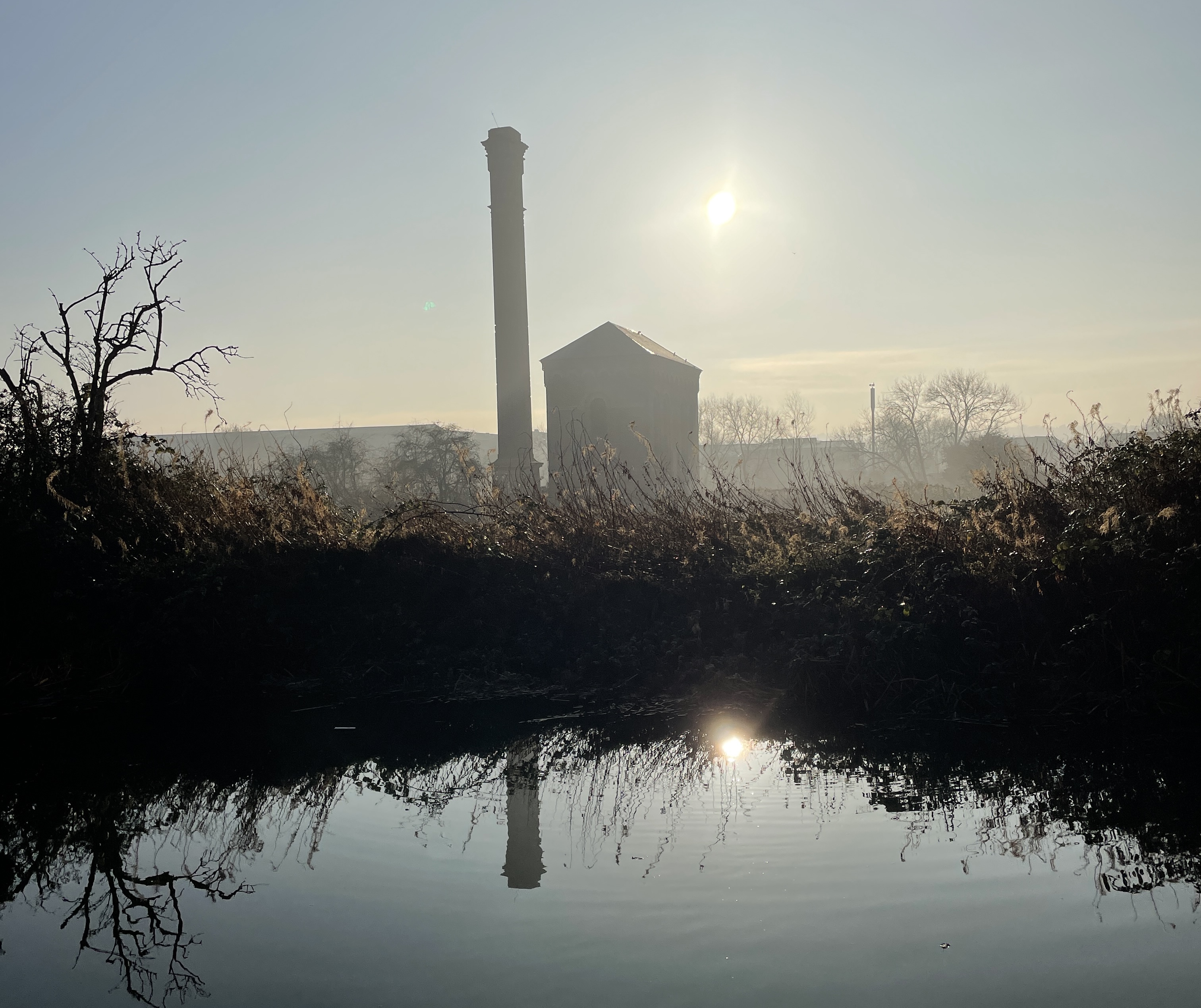
The Chesterfield Canal forms an integral part of Worksop's heritage and landscape, winding through the town on its 46-mile journey from Chesterfield in Derbyshire to the River Trent at West Stockwith. Though no longer used for commercial traffic, the canal has found new life as a leisure amenity, nature reserve, and living reminder of the industrial age that shaped the region.
Historical Background
Construction and Early Days
The Chesterfield Canal was authorised by Act of Parliament in 1771, designed by the renowned engineer James Brindley. The canal aimed to connect the coalfields and industries of Chesterfield with the navigable River Trent, creating a vital transport link for goods and materials.
Brindley died before the canal's completion, and his assistant Hugh Henshall oversaw the project to its finish in 1777. The canal featured 65 locks and included the impressive Norwood Tunnel, over 3,000 yards long and one of Britain's longest canal tunnels at the time.
The Worksop Section
The canal enters Nottinghamshire near Shireoaks and passes through Worksop, where several wharves and basins were established to serve the town's needs. During its commercial heyday, the canal transported coal, lime, grain, and manufactured goods, playing a crucial role in the local economy.
Worksop's principal wharf was located at Retford Road, where warehouses stored goods and boats loaded and unloaded cargo. The canal brought prosperity to the town, enabling industries to access wider markets and receive raw materials more efficiently than road transport alone could provide.
Decline and Restoration
The arrival of the railways in the mid-19th century began the canal's commercial decline. Rail transport proved faster and more flexible, gradually taking business away from the waterways. By the early 20th century, commercial traffic had significantly reduced, and a major subsidence event in 1907 caused by mining activities collapsed the Norwood Tunnel, severing the western section from the rest of the canal.
The eastern section from Worksop to the Trent remained navigable for goods until the 1950s, but commercial use finally ceased in the 1960s. The canal's future looked bleak, with sections becoming derelict and overgrown.
However, the Chesterfield Canal Trust, formed in 1976, began the long process of restoration. Volunteers and supporters have gradually restored sections, cleared overgrowth, repaired locks, and campaigned for the canal's complete restoration. The Worksop section benefits from these efforts, with ongoing maintenance ensuring it remains navigable and attractive.
The Canal Through Worksop Today
Retford Road Area
The main canal corridor through Worksop follows Retford Road, where the historic wharf area has been transformed. Whilst some original buildings have been lost to development, the waterway itself has been preserved and improved as a community amenity.
Mooring facilities allow narrowboats to stop in Worksop, and the towpath provides a traffic-free walking and cycling route through the town. The area around Retford Road has seen regeneration efforts, with improvements to access and facilities making the canal more welcoming to visitors and residents alike.
Canal Basins
Worksop's canal infrastructure included several basins and wharves that served different purposes. These wider sections of canal allowed boats to turn around, moor for loading and unloading, and wait their turn at locks. Today, these basins provide habitat for wildlife and attractive features along the waterway.
The Town Lock Basin, close to the town centre, represents one of the more accessible canal features. Restored lock gates demonstrate the engineering that allowed boats to navigate changes in water level, and interpretation boards explain the canal's history and operation.
Walking and Cycling the Towpath
The Worksop Section
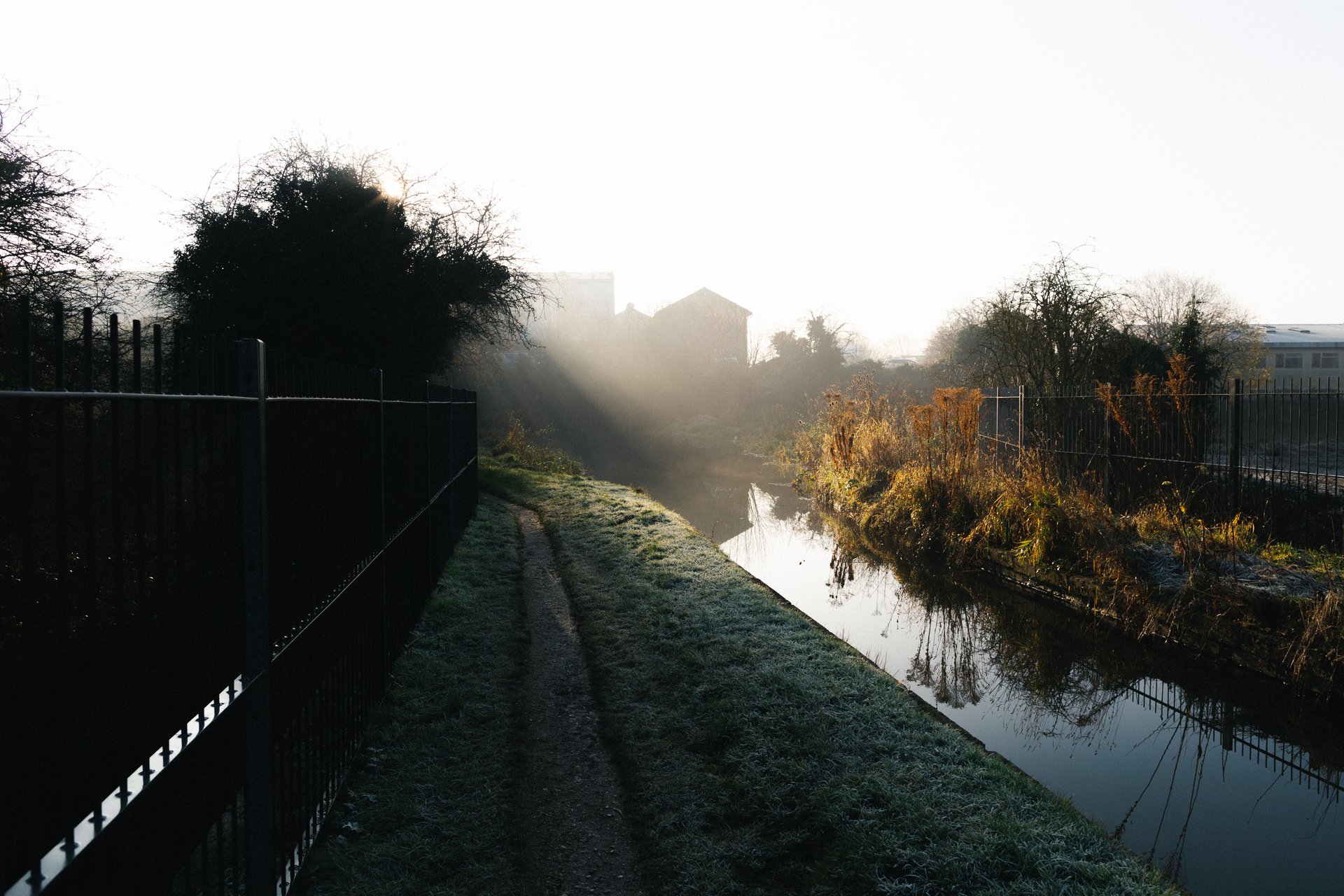
The towpath through Worksop forms part of the Cuckoo Way, a long-distance footpath that follows the canal for much of its length. The path is generally well-maintained and suitable for walking year-round, though conditions can become muddy after heavy rain.
Cyclists can use much of the towpath, which provides a pleasant, traffic-free route through the town and surrounding countryside. The flat terrain makes cycling easy, suitable for families and less experienced cyclists. However, some sections require care, particularly where the path narrows or surface quality deteriorates.
Route Highlights
Walking west from Worksop town centre, the canal passes through increasingly rural surroundings. The route offers views of fields, woodland, and glimpses of the area's mining heritage. Several bridges cross the canal, each with its own character from elegant stone structures to more functional brick and iron constructions.
Heading east towards Retford, the canal follows a largely rural course, passing through farmland and small settlements. The towpath connects Worksop to surrounding villages, creating a green corridor that walkers and cyclists can follow for miles.
Wildlife Spotting
The canal and its margins support diverse wildlife. Kingfishers, though shy, can occasionally be spotted darting along the water's surface or perching on branches overhanging the canal. Herons frequently fish along the banks, and various duck species make the canal their home, including mallards, moorhens, and coots.
In summer months, dragonflies and damselflies patrol the waterway, whilst butterflies are attracted to the wildflowers that grow along the less-managed sections of bank. The water itself hosts fish including roach, perch, and pike, attracting anglers who appreciate the canal's peaceful setting.
Boating on the Canal
Narrowboat Access
The Chesterfield Canal's eastern section from Worksop to West Stockwith remains navigable for narrowboats and other small craft. Boaters can access Worksop from the Trent, navigating through locks and exploring this quieter, less-travelled waterway.
The canal's relatively remote character appeals to boaters seeking tranquillity away from busier canal networks. However, the canal requires more careful navigation than heavily-used waterways, with shallower sections and narrower passages demanding attention.
Facilities
Mooring is available at various points through Worksop, allowing boaters to stop and visit the town. Water points and waste disposal facilities serve the boating community, though provisions are more limited than on major canal routes.
The Chesterfield Canal Trust maintains facilities and works to improve the canal for boaters. Their volunteer lock-keepers assist with navigation during busy periods, and the trust provides information for those planning trips on the canal.
The Canal's Future
Restoration Projects
The long-term goal of completely restoring the Chesterfield Canal remains alive, with the Chesterfield Canal Trust and other organisations working towards reconnecting the severed western section. This ambitious project requires significant funding and engineering to overcome the collapsed tunnel and other obstacles.
In Worksop, ongoing restoration efforts focus on maintaining the navigable section, improving towpath access, and enhancing the canal's role as a community resource and wildlife corridor. Grants and volunteer labour continue to make incremental improvements.
Community Involvement
Local volunteers contribute significantly to the canal's upkeep. Regular working parties clear vegetation, repair structures, and maintain the towpath. Community groups organise events along the canal, from guided walks to heritage days that celebrate the waterway's history.
Schools use the canal as an outdoor classroom, teaching children about history, geography, ecology, and engineering through hands-on experiences. This educational role helps ensure future generations understand and value the canal.
Accessing the Canal
Getting There
The canal runs through Worksop town, making access straightforward. The Retford Road area provides good starting points for walks in either direction, with parking available nearby. Several road bridges cross the canal, offering multiple access points for those wishing to join the towpath at different locations.
Bus services connect to areas near the canal, and Worksop Railway Station lies within walking distance of several access points, making the canal accessible by public transport.
Facilities and Amenities
Public houses near the canal provide refreshment options, though walkers should note that some sections pass through areas without nearby facilities, so carrying water and snacks is advisable for longer walks.
Public toilets in Worksop town centre serve those starting walks from the Retford Road area, but facilities are limited along more rural sections of the towpath.
Seasons on the Canal
Spring and Summer
Warmer months bring the canal to life. Narrowboats become more common as boaters cruise the network, wildlife activity increases, and towpath users enjoy pleasant conditions for walking and cycling. Wildflowers bloom along the banks, and the trees provide shade on hot days.
Autumn and Winter
The canal takes on a different character in colder months. Autumn colours reflect in the still water, and crisp winter days offer atmospheric walking opportunities. Wildlife becomes easier to spot through bare branches, and the towpath quietens as fewer people venture out.
Winter walks along the canal can be magical, particularly on frosty mornings when the landscape sparkles. However, users should be prepared for muddy conditions and shorter days requiring earlier returns.
The Canal's Role Today
Recreation
The canal now serves primarily recreational purposes. Walkers, cyclists, and boaters use the waterway for leisure, enjoying the tranquil environment it provides. Anglers appreciate the canal's fishing opportunities, and local residents use the towpath for exercise and dog walking.
This recreational role has become increasingly important as people seek accessible, free, and healthy outdoor activities close to home. The canal provides these opportunities whilst requiring minimal infrastructure beyond basic maintenance.
Wildlife Corridor
As development has fragmented natural habitats, linear features like canals have gained importance as wildlife corridors. The Chesterfield Canal connects different habitats, allowing species to move between areas and maintain genetic diversity.
Conservation efforts along the canal balance navigation requirements with ecological needs, creating habitat whilst maintaining the waterway's primary function. This approach demonstrates how historic infrastructure can support modern conservation goals.
Heritage Asset
The canal represents tangible history, connecting modern Worksop to its industrial past. The structures along the waterway tell stories of engineering ambition, economic development, and social change. Preserved locks, bridges, and mileposts serve as outdoor museums, accessible to all without admission fees.
This heritage value extends beyond historical interest. The canal provides identity and character to the areas it passes through, creating a sense of place that modern developments often struggle to replicate.
Conclusion
The Chesterfield Canal through Worksop exemplifies how historic industrial infrastructure can find new relevance in modern times. No longer carrying coal and goods, the canal now transports people seeking recreation, nature, and connection to the past.
The waterway's journey from vital commercial artery through decades of neglect to restored leisure amenity demonstrates the value of persistence, community involvement, and recognising the multiple benefits that historic features can provide. As restoration efforts continue and more people discover the canal's charms, the Chesterfield Canal's future looks brighter than it has for decades, ensuring this remarkable waterway remains part of Worksop's landscape for generations to come.