Walking Routes and Trails Around Worksop

Worksop and its surrounding countryside offer exceptional opportunities for walkers of all abilities. From gentle strolls along historic canals to challenging hikes through ancient woodland, the area's diverse landscape provides routes that showcase North Nottinghamshire's natural beauty and rich heritage. This guide explores the best walking routes accessible from Worksop, complete with practical details to help you plan your outdoor adventures.
Chesterfield Canal Towpath Walk
The Chesterfield Canal forms a green corridor through Worksop, offering one of the most accessible and pleasant walking routes in the area. The towpath provides a flat, well-maintained surface suitable for walkers of all ages and abilities, including those with pushchairs or mobility aids.
Starting from Town Lock in the town centre, near Priorswell Road, walkers can head west towards Shireoaks or east towards Retford. The western route takes you past the historic canal basin where warehouses once bustled with cargo from narrowboats. Today, this area has been sensitively restored, with moorings for pleasure craft and information boards explaining the canal's industrial heritage.
The three-mile stretch from Town Lock to Shireoaks Marina passes through a mixture of urban fringe and increasingly rural scenery. Wildlife thrives along this corridor, with herons frequently spotted fishing from the canal banks, whilst moorhens and coots nest among the reeds. In spring and summer, the towpath verges burst with wildflowers, attracting butterflies and bees.
Shireoaks Marina makes an excellent turning point, with facilities including a café where walkers can rest before returning. The six-mile round trip takes approximately two hours at a leisurely pace. For those seeking a longer walk, continuing beyond Shireoaks towards Kiveton Park adds another dimension, with the landscape opening up to reveal views across South Yorkshire.
The eastern route from Town Lock towards Retford offers equally pleasant walking, though sections may be less well-maintained. The towpath passes through Manton and continues through agricultural land, with the spire of Worksop Priory visible behind you as you progress east.
Clumber Park Circular Walks
Clumber Park's 3,800 acres contain numerous walking routes that can be combined to create walks of varying lengths. The National Trust provides excellent waymarked trails, with detailed maps available from the visitor centre on Lime Tree Avenue, accessed via the A614 or A57.
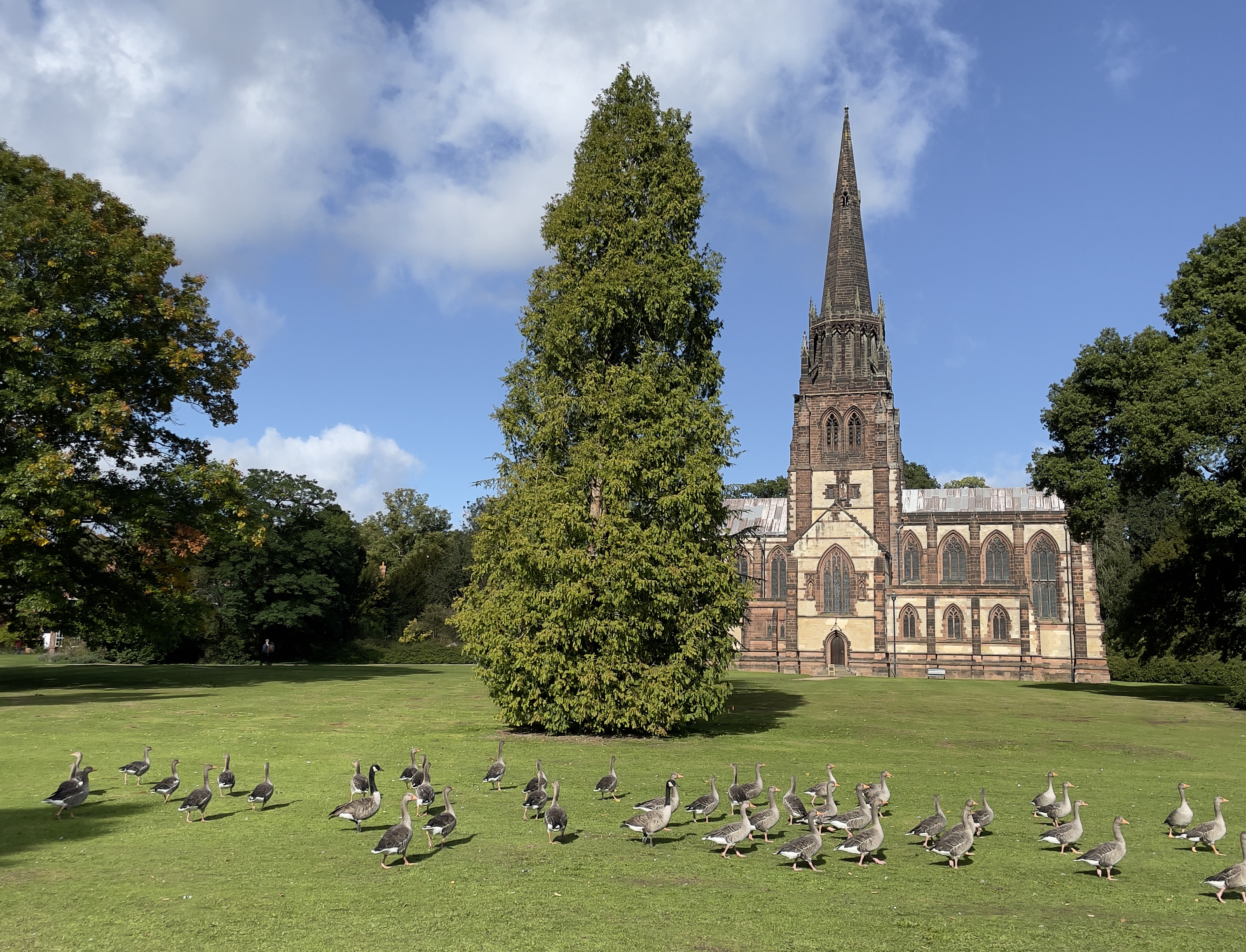
The Lime Tree Avenue Walk offers perhaps the most iconic stroll in the park. This magnificent double avenue of lime trees stretches for two miles, creating a natural cathedral that's spectacular in all seasons. In spring, fresh green leaves form a canopy overhead; in autumn, golden foliage carpets the ground. The avenue leads from the main entrance towards the Gothic Revival chapel, one of Clumber's most photographed buildings.
The Lakeside Walk, approximately 4.5 miles around the serpentine lake, provides ever-changing views across water and woodland. Starting from the visitor centre, the route follows well-maintained paths through mixed woodland before emerging onto more open sections with views across the lake. Several bird hides along the route allow walkers to observe waterfowl without disturbing them.
Notable stopping points include the Duke's Drive, where views open up across parkland, and the Lincoln Terrace, an elevated section offering panoramic vistas. The chapel, positioned near the southern end of the lake, warrants a detour. Its Victorian Gothic architecture and peaceful setting make it a highlight of any Clumber visit.
For longer walks, the park's extensive woodland paths can be explored. The conservation area at Hardwick village, within the park's boundaries, offers more challenging terrain with gentle hills and ancient trees. Routes here feel more remote, despite being just a short distance from the main visitor areas.
The Normanton Inn, situated on Carburton Road on the park's eastern boundary, provides refreshment for walkers completing longer circuits. This historic pub serves walkers and cyclists throughout the year.
Worksop Town Heritage Trail
For those preferring urban walking with historical interest, the Worksop Town Heritage Trail offers an excellent self-guided tour. Starting at Worksop Priory on Priorswell Road, this circular route of approximately two miles takes walkers past the town's most significant historic buildings.
From the Priory, head south along Potter Street, where several Georgian and Victorian buildings demonstrate Worksop's prosperous past. The street curves gently, lined with mixed architecture spanning several centuries. Look out for the former coaching inns that once served travellers on the Great North Road.
Continue to Bridge Place, the heart of Worksop's shopping district. Though modernised, careful observers can spot older building facades above contemporary shopfronts. The Memorial Gardens, just off Bridge Street, provide a peaceful green space with benches and war memorials commemorating local residents who served in conflicts.
Head east along Newcastle Avenue towards Mr Straw's House on Blyth Grove. This National Trust property, while requiring advance booking to enter, sits in a typical Edwardian suburb that illustrates early 20th-century residential development. The surrounding streets, including Westgate and Central Avenue, showcase homes from this period.
Return via Carlton Road and Sandy Lane, passing through residential areas that developed as Worksop expanded. Sandy Lane leads back towards the town centre and the Canch, a recreational area beside the River Ryton. This green space, located off Newcastle Street, offers pleasant grounds for a rest before completing the circuit back to the Priory.
The entire trail can be completed in under an hour, but allowing two hours enables proper appreciation of the buildings and time to read information boards along the route.
Sherwood Forest Walks from Worksop
Whilst the main Sherwood Forest Visitor Centre lies approximately 12 miles from Worksop, several areas of ancient Sherwood woodland sit much closer. Budby South Forest, accessible via the B6034 towards Edwinstowe, offers parking and marked trails through oak and birch woodland.
The Major Oak Walk, starting from the main Sherwood Forest Visitor Centre on Sherwood Forest Road near Edwinstowe, remains a pilgrimage for many visitors. This relatively short walk of approximately one mile follows a surfaced path through the forest to Robin Hood's legendary hideout. The route passes through beautiful ancient woodland, with information boards explaining the forest's ecology and history.
For more adventurous walking in Sherwood, the longer trails extending from the visitor centre explore less-visited areas. The Big Belly Oak Trail (three miles) circuits through mixed woodland and heath, whilst the Woodland Walk (1.5 miles) focuses on the forest's ecology and wildlife.
Birklands and Bilhaugh, part of the Sherwood Forest National Nature Reserve, can be accessed from several points. These ancient woods, with their veteran oaks and open heath, provide habitat for rare insects and birds. Walking here feels genuinely remote, with the possibility of spotting deer and experiencing woodland much as medieval hunters would have known it.
Creswell Crags Gorge Walk
The limestone gorge at Creswell Crags, located on Crags Road near Welbeck (approximately eight miles from Worksop), offers a short but spectacular walk. The one-mile circular trail around the lake takes approximately 45 minutes, though many visitors spend longer exploring and photographing the dramatic scenery.
The path starts from the visitor centre car park and immediately enters the wooded gorge. Limestone cliffs rise on both sides, pockmarked with the caves that sheltered Ice Age inhabitants. Information boards along the route explain the geology, archaeology, and wildlife of this unique site.
The trail is generally accessible, though some sections can be muddy after rain. Steps in certain areas may challenge those with mobility difficulties, but the relatively short distance means most people can complete it. The lake, created by damming a stream, reflects the cliffs and woods, creating photogenic views popular with photographers.
Welbeck Estate Circular Walks
Welbeck Estate, just south of Worksop off the A60, opens much of its parkland to walkers. The estate's network of footpaths and bridleways allows exploration of this historic landscape. Park at Welbeck, near The Harley Gallery on Welbeck Estate, to access these routes.
A circular walk from The Harley Gallery through Welbeck Park covers approximately four miles. The route passes through parkland dotted with specimen trees, crosses the estate's farmland, and offers views of Welbeck Abbey (though the abbey itself remains private). The landscape bears the unmistakable stamp of designed parkland, with carefully positioned trees and gentle contours.
The footpath network connects to routes heading towards Creswell Crags, allowing ambitious walkers to create longer circuits. Waymarking can be intermittent on estate paths, so carrying an Ordnance Survey map (Explorer 270 covers the area) is advisable.
River Ryton Walk
Starting from Worksop's Canch recreation ground off Newcastle Street, a pleasant walk follows the River Ryton northwards. The path stays close to the river, passing through areas of grassland and woodland fringe. This walk lacks formal waymarking but following the river provides straightforward navigation.
The route extends for approximately two miles before the path becomes less distinct. The river corridor provides habitat for kingfishers, with patient observers sometimes rewarded with glimpses of these brilliant birds. The walk offers an escape from urban surroundings whilst remaining within easy reach of the town centre.
Carlton Forest Walks
Carlton Forest, located northeast of Worksop near Carlton-in-Lindrick, comprises Forestry England woodland with several waymarked trails. Park in the forestry car park off the A60 near Hundred Acre Lane.
The marked trails range from a short one-mile route to longer circuits of three or four miles. The coniferous plantation provides different scenery from the ancient oak woodlands elsewhere in the area. Trails follow forest rides and allow glimpses of forest management practices.
Mountain bikers also use these trails, so walkers should remain aware of their surroundings. The forest feels quiet and remote despite its proximity to roads and villages.
Langold Country Park
Langold Country Park, accessible from Langold village northeast of Worksop, centres on Langold Lake. A path circuits the lake, providing approximately two miles of easy walking through woodland and lakeside. Park in the village and walk through to access the country park.
The route passes through mixed woodland, with clearings offering views across the lake. Ducks, geese, and swans frequent the water, whilst woodland birds can be heard in the trees. The path can be muddy in places, particularly after rain, but remains accessible for most walkers.
Practical Information for Walkers
Ordnance Survey Explorer maps 270 (Sherwood Forest) and 279 (Doncaster) cover the Worksop area comprehensively. These detailed maps show all rights of way and prove invaluable for exploring beyond the main waymarked routes.
Footwear appropriate to conditions is essential. Canal towpaths and surfaced park trails require only comfortable trainers in dry weather, but woodland and countryside walks demand walking boots, particularly in wetter months.
The Chesterfield Canal Trust maintains information about the canal and towpath conditions. The National Trust provides detailed information about Clumber Park's walks on their website and at the visitor centre.
Most routes described allow dogs, though they should be kept under close control, particularly in nature reserves where ground-nesting birds may be present. The Clumber Park lakeside walk and canal towpaths offer particularly dog-friendly options.
Public transport links vary. Buses serve Clumber Park from Worksop during peak visitor seasons, whilst regular services run to villages like Carlton-in-Lindrick. However, many walks require car access for convenience.
The walking season extends year-round, with each season offering different attractions. Spring brings wildflowers and birdsong; summer provides long daylight hours and leafy shade; autumn showcases spectacular colours in parkland and woodland; winter offers crisp, clear days with long views through bare branches.
Whether seeking a gentle afternoon stroll or a challenging day hike, Worksop's surrounding area provides walking opportunities that reveal the best of North Nottinghamshire's landscapes and heritage.