Transport and Getting Around Worksop
Understanding how to navigate Worksop and connect to the wider region is essential for residents and visitors alike. This North Nottinghamshire market town benefits from its strategic position on major road and rail routes, whilst local transport services facilitate movement within the town itself. This comprehensive guide explores all aspects of transport in and around Worksop, from daily commuting to occasional travel, helping you navigate the area efficiently.
Worksop Railway Station
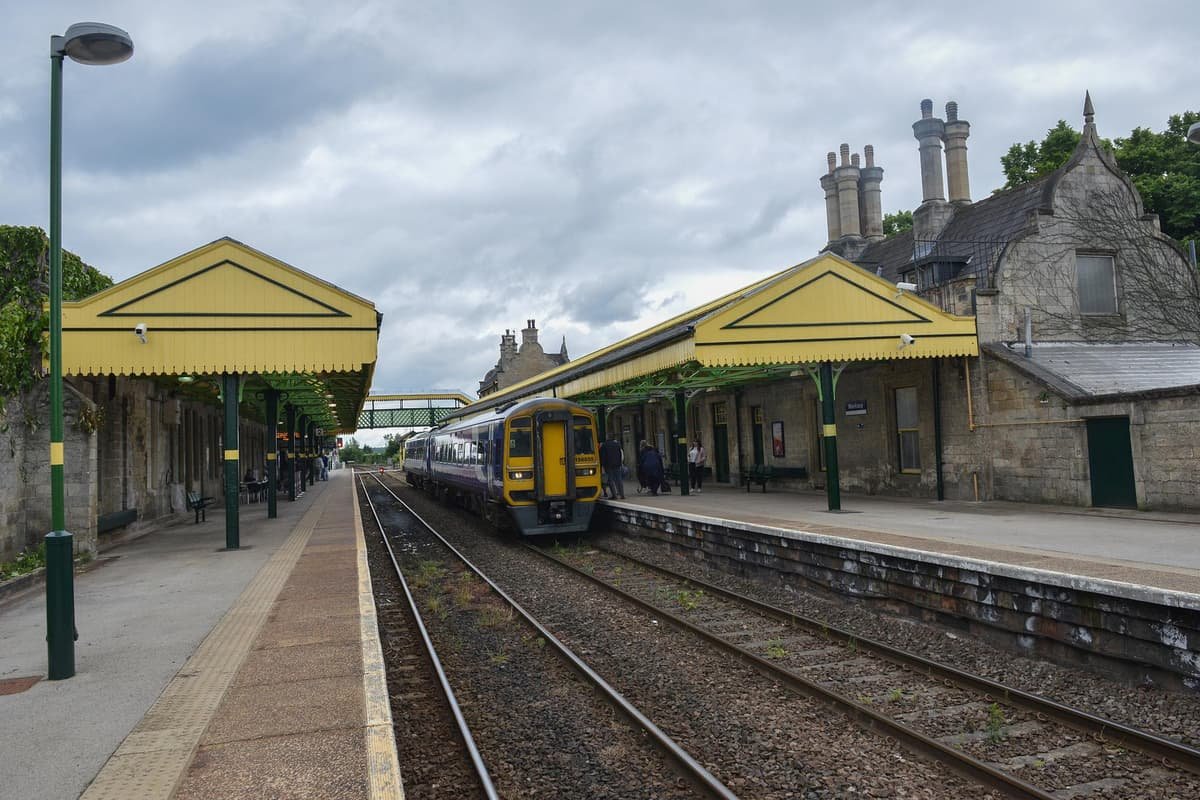
Worksop Railway Station on Carlton Road serves as the town's vital link to the national rail network. This historic station, originally opened in 1849, connects Worksop to major cities and towns across several regions, making it invaluable for commuters, students, and leisure travellers.
Rail Services and Destinations
East Midlands Railway operates the primary services through Worksop, providing connections in multiple directions. Northbound trains serve Retford, Doncaster, and ultimately York, whilst southbound services reach Nottingham and beyond. Westbound services connect to Sheffield, with some trains continuing to Manchester or Liverpool.
The Sheffield service proves particularly important, with regular trains taking approximately 30 minutes to reach this major South Yorkshire city. This connection makes Sheffield's employment, shopping, and cultural opportunities accessible to Worksop residents. Morning peak services cater to commuters, whilst off-peak trains serve shoppers and leisure travellers.

Nottingham services provide access to the county town and connections to the wider Midlands network. The journey takes roughly 45 minutes, making day trips viable for shopping, entertainment, or business.
Services to Lincoln run several times daily, connecting Worksop to this historic cathedral city and allowing onwards travel eastwards. The Robin Hood Line services provide connections to Mansfield and other Nottinghamshire towns.
Station Facilities
The station building on Carlton Road houses a ticket office with staff available during core hours. Self-service ticket machines provide 24-hour purchasing capability, accepting cards and cash. The machines allow collection of advance purchase tickets bought online, a cost-effective way to secure cheaper fares.
Waiting facilities include covered areas on both platforms, providing shelter from weather. Information displays show real-time train running information, helping passengers track approaching services and any delays or disruptions.
Car parking at the station includes both short-stay and long-stay options, with charges applying. The car park suits commuters driving to the station for onward rail journeys, though spaces fill quickly during weekday mornings. Disabled parking bays sit closer to the station entrance.
Cycle storage facilities encourage sustainable transport combinations, allowing people to cycle to the station before continuing by train. The secure cycle parking reduces concerns about bicycle theft, an important consideration for regular cyclists.
Taxi ranks at the station entrance provide onward transport, particularly useful for arriving passengers needing to reach destinations beyond walking distance. Local taxi firms serve the rank, with drivers familiar with the area.
Accessibility
Step-free access to both platforms makes Worksop station accessible to wheelchair users and those with mobility challenges. Lifts connect the platforms to the footbridge, avoiding the need to use stairs. The station's relative accessibility, whilst not perfect, allows most people to use rail services independently.
Passenger assistance services help those requiring additional support, whether due to mobility issues, visual impairments, or other needs. Booking assistance in advance ensures staff meet passengers and provide necessary help with boarding, alighting, and navigating the station.
Bus Services
Stagecoach operates the majority of bus services in Worksop, with a network of routes connecting different parts of town and linking Worksop to surrounding villages and towns. The bus station, located off Bridge Place near the town centre, serves as the hub for these services.
Town Services
Local routes circulate through Worksop's residential areas, providing public transport access for those without cars. Key routes serve areas including Manton, Gateford, Kilton, and Sandy Lane, connecting neighbourhoods to the town centre, schools, medical facilities, and shopping areas.
Service frequency varies by route and time of day, with busier routes operating every 30 minutes during daytime hours, whilst others run hourly or less frequently. Evening services reduce significantly, whilst Sunday services operate on even more limited schedules.
Bus passes provide value for regular users, with various ticket options including single journeys, day tickets, weekly passes, and monthly or annual tickets offering progressively better value. Contactless payment on buses simplifies purchasing, allowing payment by bank card without needing exact cash.
Regional Connections
Longer-distance bus services connect Worksop to neighbouring towns and cities. Services to Rotherham, Doncaster, Retford, and Mansfield provide alternatives to rail travel, often serving destinations not directly accessible by train or providing more frequent service than rail alternatives.
The Sherwood Arrow service connects Worksop to Newark, providing access to this historic market town and railway interchange. Other routes serve villages in the surrounding area, maintaining public transport links to communities that would otherwise be isolated.
Interurban services generally offer less frequency than urban routes but provide essential connections for those without cars. Journey times typically exceed car travel significantly, reflecting the nature of bus routes stopping at intermediate points.
Concessionary Travel
Older people and those with certain disabilities qualify for concessionary bus passes allowing free off-peak travel on local bus services. These passes, issued by local authorities, provide crucial mobility for those unable to drive or afford regular bus fares, supporting independence and social inclusion.
The passes typically activate from 9:30am on weekdays and all day at weekends, covering the times when most discretionary travel occurs. This scheme maintains mobility for older residents, allowing them to access shops, medical appointments, and social opportunities.
Road Network and Driving
Worksop's position on the A57 and A60 trunk roads provides excellent road connections, making car travel convenient for those with vehicles. The town sits roughly equidistant between the M1 and M18 motorways, with access to both within 20 minutes' drive.
Major Roads Through Worksop
The A57 runs east-west through Worksop, connecting Sheffield in the west with Lincoln in the east. This major trunk road carries substantial traffic, including heavy goods vehicles, making it the primary route for those driving between Yorkshire and Lincolnshire.
Within Worksop, the A57 follows Newcastle Avenue through the northern part of town before continuing eastwards. Traffic levels can be heavy during peak periods, with congestion sometimes occurring at key junctions.
The A60 approaches from the south, running through Carlton Road into the town centre before continuing north towards Oldcotes. This historic route once formed part of the Great North Road, the main route between London and Edinburgh before motorways were built.
The junction where the A57 and A60 meet near the town centre can experience congestion, particularly during rush hours when local traffic combines with through traffic.
Inner Ring Road and Town Centre Access
An inner ring road system helps manage traffic flow around central Worksop, with Potter Street, Eastgate, and other roads forming a rough circuit around the shopping core. This arrangement attempts to keep through traffic away from the busiest pedestrianised shopping areas.
Parking in the town centre utilises several car parks, including multi-storey facilities and surface car parks off Bridge Street, Potter Street, and other locations. Charges apply in most council car parks, with variable pricing depending on location and duration. Some supermarkets offer customer parking, providing free alternatives for shoppers using those stores.
Loading restrictions and parking controls in the town centre aim to balance the needs of delivery vehicles, shoppers, and residents. Yellow lines, limited waiting bays, and permit zones create a complex parking regime that requires attention to signage.
Park and Ride
Unlike some larger towns, Worksop does not currently operate a park and ride scheme. This absence means that those driving to the town centre must either park in town centre car parks or use peripheral locations and walk.
Residential Parking
Housing areas across Worksop vary considerably in parking provision. Newer developments typically include driveways and off-street parking, reflecting modern planning requirements and higher car ownership rates. Older terraced streets, particularly near the town centre, often lack off-street parking, with residents relying on kerbside spaces.
Some areas operate permit parking schemes to manage demand and prevent commuter parking in residential streets. These schemes reserve spaces for residents whilst restricting non-permit holders to limited waiting times.
Taxis and Private Hire
Several taxi firms operate in Worksop, providing both hackney carriages that can be hailed on the street or picked up from ranks, and private hire vehicles that require advance booking. The railway station, town centre locations, and near popular venues like pubs provide taxi ranks where licensed cabs wait for customers.
Booking apps and phone services allow easy taxi reservations, with most firms providing quotes before travel. Fares typically use meters for hackney carriages, whilst private hire quotes may be fixed prices for common journeys.
Taxi services provide important transport for those without cars, particularly for evening travel when buses cease running. The door-to-door service proves invaluable for carrying shopping, travelling with young children, or when weather makes walking unattractive.
Cycling Infrastructure
Cycling in Worksop benefits from the generally flat terrain and relatively light traffic on many residential streets. However, dedicated cycling infrastructure remains limited compared to larger cities, with few segregated cycle lanes or specific cycle routes through the town.
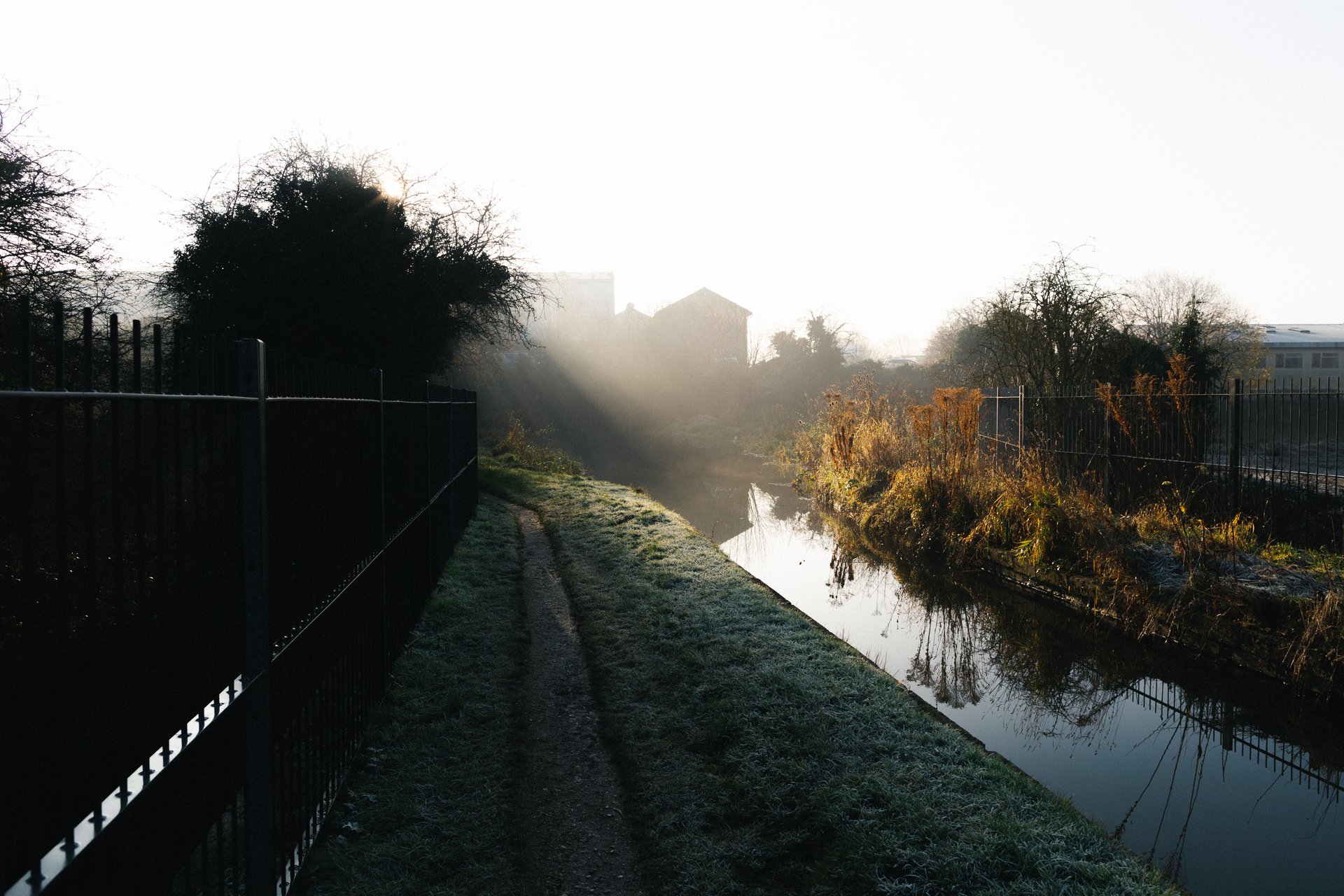
The canal towpath provides an excellent traffic-free cycling route, offering a safe, scenic corridor for commuting or leisure cycling. The surface quality varies, with some sections better suited to hybrid or mountain bikes than road bikes with narrow tyres.
Sustrans National Cycle Network Route 6 passes through the area, providing signed cycling routes connecting to the wider network. These routes often use quieter roads rather than dedicated cycle paths, requiring cyclists to share space with motor vehicles.
Cycle parking in the town centre includes stands near shops and the railway station, though provision could be more extensive. Workplace cycle parking varies, with some employers providing secure storage whilst others offer little or no facility.
The challenge for cycling in Worksop, as in many market towns, involves balancing the needs of different road users on a historic street pattern not designed for current traffic levels. Cyclists must ride defensively, particularly at busy junctions and on main roads during peak periods.
Walking
Walking remains the most accessible form of transport, and Worksop's compact town centre makes many destinations achievable on foot. The pedestrianised shopping areas around Bridge Street create pleasant walking environments, with the market and shops easily navigable without encountering traffic.
Residential areas generally include pavements, though conditions vary. Main routes feature good-quality footways, whilst some quieter streets may have narrower or less well-maintained pavements. Dropped kerbs at crossings aid wheelchair users and those with mobility scooters or pushchairs.
Footpaths and bridleways radiating from Worksop into the surrounding countryside provide attractive walking routes, with the canal towpath particularly popular. These routes offer exercise and recreation whilst connecting to neighbouring villages for more ambitious walkers.
Pedestrian safety remains a concern at busier junctions, where crossing times may be insufficient for slower walkers or where visibility is limited. Some junctions include pedestrian crossing phases in traffic light sequences, whilst others rely on pedestrian crossings or require crossing traffic directly.
Connections to Airports
No airport serves Worksop directly, with several regional airports accessible within reasonable driving times. East Midlands Airport, located near Castle Donington, lies approximately 40 miles south via the M1, taking roughly an hour to drive. This airport serves numerous European destinations and some long-haul routes.
Doncaster Sheffield Airport, slightly closer at around 20 miles northeast, provides another option with scheduled and charter services to holiday destinations. The journey typically takes 30-40 minutes by car.
Manchester Airport, significantly larger with extensive international connections, sits approximately 70 miles west. The drive takes 90 minutes to two hours depending on traffic, whilst a train journey requires connections through Sheffield.
Public transport to airports from Worksop involves combinations of train and bus or specialised airport coaches, making car travel or taxis more practical for most journeys with luggage.
Motoring Services
Petrol stations in Worksop include outlets on Carlton Road, Newcastle Avenue, and other main routes, with major brands and supermarket forecourts providing competitive pricing. Most stations include convenience stores, while some offer additional services like car washes or air and water facilities.
Car parks throughout the town provide parking for shopping, business, and leisure visits. The pricing structures vary, with short-stay car parks near the town centre charging higher rates than longer-stay options on the periphery.
Traffic flow generally manages reasonably well except during peak hours, school run times, or market days when additional vehicles congest certain areas. The A57 through town can experience delays during incidents or roadworks, with limited alternative routes available.
Future Transport Developments
Transport planning continues evolving, with potential improvements to bus services, cycling infrastructure, and road layouts under periodic review. Nottinghamshire County Council's transport strategies influence local provision, balancing competing demands with available resources.
The shift towards sustainable transport, electric vehicles, and reduced car dependency influences planning decisions, though transforming infrastructure in established towns presents significant challenges. Any major changes require substantial investment and typically occur gradually rather than through dramatic overnight transformation.
Practical Tips for Getting Around
Understanding Worksop's transport options helps maximise mobility and convenience. For regular commuters, season tickets for rail or bus travel provide significant savings compared to daily tickets. Advanced purchase rail tickets, bought weeks ahead, offer substantial discounts on flexible fares.
Combining transport modes often provides optimal solutions, whether cycling to the station for onward rail travel or using park and ride at Clumber Park before walking or cycling within the park.
Planning journeys using online tools or apps helps identify the best options and times, particularly for less familiar routes or when changes might be necessary. Real-time information increasingly available through apps improves reliability by showing actual service running rather than just schedules.
For visitors, the railway station provides the most direct connection to Worksop from major cities, with the town centre a short walk from the station. Car travel offers more flexibility for exploring the surrounding area, though be prepared for parking charges in town.
The transport infrastructure serving Worksop, whilst not perfect, provides reasonable connectivity for a market town of its size. Whether commuting to work, shopping locally, or exploring the Dukeries, understanding the available transport options helps residents and visitors alike make the most of what Worksop and the surrounding area offer.