The History of Worksop: From Medieval Market Town to Modern Day
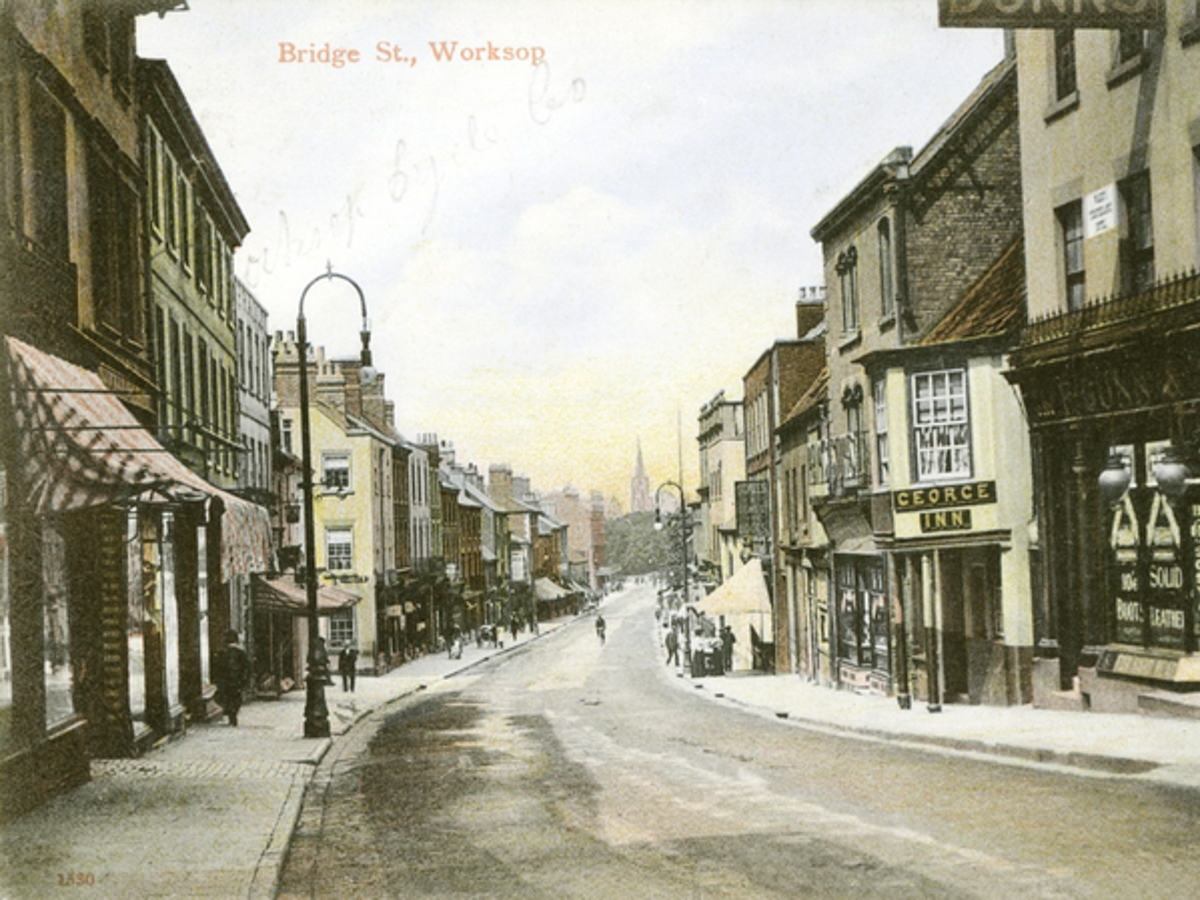
Worksop's history spans over a thousand years, from its earliest mentions in Anglo-Saxon times to its current status as a thriving market town. This rich heritage has shaped the town's character and continues to influence its identity today.
Early Origins
The name "Worksop" is believed to derive from the Anglo-Saxon "Weorcesop", which may mean "Weorc's valley" or possibly relate to a fortification. The settlement existed before the Norman Conquest of 1066, and the town is mentioned in the Domesday Book of 1086, where it was recorded as having a church, a mill, and a significant population.
During the Anglo-Saxon period, the area was part of the Kingdom of Mercia. The location, near important routes and surrounded by fertile land, made it a strategic and prosperous settlement even in these early times.
The Medieval Period
Foundation of Worksop Priory
The most significant event in medieval Worksop was the foundation of the Augustinian Priory in the 1120s by William de Lovetot, the local Norman lord. The Priory of Our Lady and St Cuthbert quickly became an important religious house in the region.
The Priory church, which still dominates the town's skyline today, was built in stages during the 12th and 13th centuries. It represents some of the finest Norman and Early English Gothic architecture in the country. The Priory not only served as a place of worship but also as a centre of learning, hospitality, and economic activity for the surrounding area.
Market Town Development
Worksop received its market charter in the medieval period, establishing it as an official market town. This status brought economic benefits and attracted traders, craftsmen, and merchants to the area. The weekly market became the focal point of commercial life, a tradition that continues to this day.
The town's position on important routes between Sheffield, Nottingham, and Lincoln further enhanced its commercial significance. Agricultural produce from the surrounding countryside was bought and sold at Worksop's markets, cementing its role as a regional trading centre.
The Tudor Period and Dissolution
The dissolution of the monasteries under Henry VIII in the 1530s dramatically changed Worksop. The Priory was dissolved in 1539, and much of its property and lands were seized by the Crown. The Priory church, however, was retained as the parish church, which is why it survives today whilst many other monastic buildings were destroyed or fell into ruin.
The former Priory estates were granted to various nobles, leading to the development of several grand estates in the surrounding area. This period laid the foundations for what would later become known as "The Dukeries".
The Age of the Dukeries
Noble Estates
During the 17th and 18th centuries, the area around Worksop became home to an extraordinary concentration of ducal estates, earning it the nickname "The Dukeries". Four major estates dominated the landscape:
Welbeck Abbey - Home of the Dukes of Portland Clumber Park - Seat of the Dukes of Newcastle Thoresby Hall - Belonging to the Earls Manvers Worksop Manor - Residence of the Dukes of Norfolk
These magnificent estates, with their grand houses, extensive parklands, and carefully managed woodlands, shaped the local economy and provided employment for many Worksop residents. The nobility's presence brought prestige and prosperity to the area, though the estates themselves were often separate from the town.
Industrial Revolution and Victorian Era
Whilst Worksop did not experience the dramatic industrial transformation seen in nearby Sheffield or Nottingham, the town did develop several industries during the 19th century:
Malting and Brewing
Worksop became known for its malting industry, with several malthouses established in the town. The area's agricultural output of barley made malting a natural industry to develop.
Coal Mining
Coal mining in the surrounding area expanded during the Victorian period, though the major pits were in nearby villages rather than Worksop itself. The town benefited from the economic activity generated by mining communities.
Engineering and Manufacturing
Various engineering works and small manufacturing enterprises were established in Worksop during the 19th century, diversifying the town's economy beyond agriculture and market trading.
Railway Development
The arrival of the railway in 1849 was a transformative moment for Worksop. The Manchester, Sheffield and Lincolnshire Railway (later part of the Great Central Railway) established Worksop as an important junction, connecting the town to major cities and facilitating both passenger travel and goods transport.
The railway brought increased prosperity and allowed Worksop to develop as a commercial centre. Victorian and Edwardian buildings from this period of growth still characterise much of the town centre.
20th Century
Early 20th Century
The early 20th century saw Worksop continue to develop as a market town and regional service centre. The First World War affected the town as it did communities across Britain, with many local men serving in the armed forces.
Mr Straw's House, now preserved by the National Trust, offers a fascinating glimpse into early 20th-century life in Worksop. The Straw family, who were local grocers, lived in their semi-detached house from 1923 onwards, and their home remained largely unchanged, creating an invaluable historical resource.
Post-War Period
After the Second World War, Worksop, like many British towns, underwent modernisation. New housing estates were built to accommodate growing populations, and the town centre was redeveloped with modern shopping facilities.
The coal mining industry in the surrounding area reached its peak in the mid-20th century before declining in the 1980s and 1990s. The closure of local pits had significant economic and social impacts on the wider area.
Modern Shopping Development
The Priory Shopping Centre opened in the 1970s, providing covered shopping facilities and helping to maintain Worksop's position as a regional shopping destination. Further retail developments followed in subsequent decades.
21st Century Worksop
Today, Worksop successfully balances its historical heritage with modern development. The town serves as a regional centre for North Nottinghamshire, providing shopping, services, and employment for a wide area.
Heritage Preservation
Significant efforts have been made to preserve and celebrate Worksop's heritage. The Priory remains a focal point for the community, and historic buildings throughout the town centre are protected. The National Trust's stewardship of sites like Mr Straw's House and Clumber Park ensures that important aspects of the area's history remain accessible to future generations.
Economic Development
The town's economy has diversified, with retail, services, light industry, and logistics playing important roles. Worksop's location, with good transport links including the A1 and M1 motorways, makes it attractive for businesses.
Community and Culture
Worksop maintains a strong sense of community, with numerous local organisations, sports clubs, and cultural activities. The town's markets continue the tradition established centuries ago, whilst new facilities and amenities serve modern needs.
The Dukeries Legacy
The grand estates that gave the area its "Gateway to the Dukeries" nickname have evolved in different ways. Clumber Park is now managed by the National Trust as a public park, offering recreation and wildlife habitat. Welbeck Estate continues as a working estate with public attractions including the Harley Gallery. Thoresby Hall operates as a luxury hotel, and while Worksop Manor no longer stands, its legacy remains part of the town's identity.
Conclusion
From its Anglo-Saxon origins through medieval prosperity, the grandeur of the Dukeries era, Victorian development, and modern evolution, Worksop's history is rich and varied. The town's heritage is visible in its architecture, street patterns, and institutions. Understanding this history helps us appreciate Worksop's unique character and the continuity that links today's residents with centuries of predecessors who called this Nottinghamshire market town home.
As Worksop looks to the future, its historical foundation provides a strong identity and numerous assets, from the magnificent Priory to the surrounding Dukeries estates, that continue to attract visitors and enrich the lives of residents.