Day Trips and Nearby Attractions from Worksop
Worksop's strategic position in North Nottinghamshire makes it an excellent base for exploring a wealth of attractions across several counties. Within an hour's drive lie historic cities, spectacular country houses, fascinating industrial heritage sites, and beautiful countryside. This guide explores the best day trips from Worksop, providing practical information to help you discover the riches of the surrounding region.
Sheffield: Steel City Culture
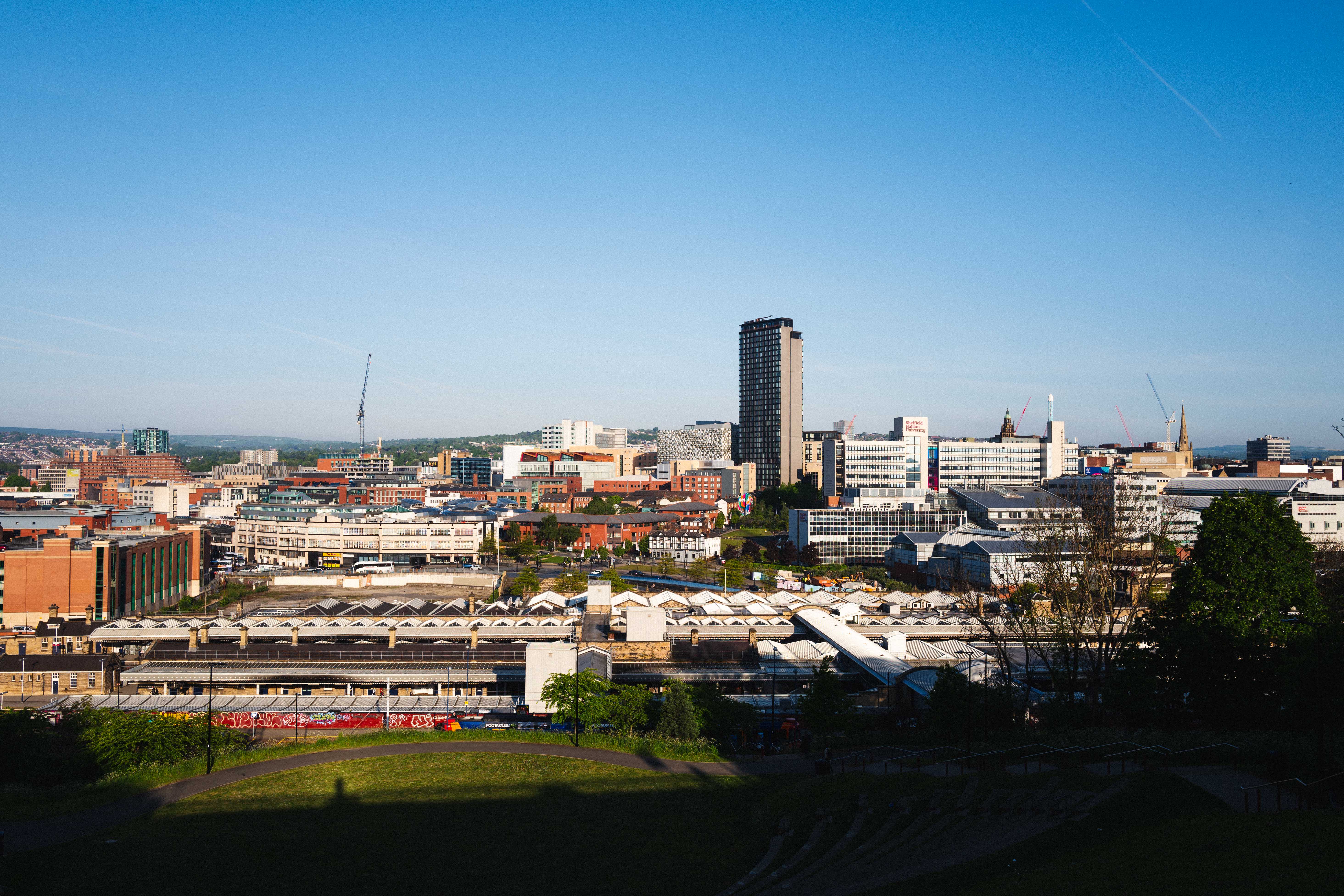
Just 20 miles northwest of Worksop via the A57, Sheffield offers a complete contrast to market town life. This former steel manufacturing powerhouse has reinvented itself as a cultural and educational centre whilst retaining fascinating industrial heritage.
The Kelham Island Museum on Alma Street tells Sheffield's industrial story through preserved workshops, machinery demonstrations, and the mighty River Don Engine. This Victorian steam engine, one of the most powerful ever built, still operates on demonstration days, providing a spectacular sight and sound experience. The museum occupies a historic industrial quarter where old workshops have been converted to creative businesses, cafés, and microbreweries.
Sheffield's art galleries include the Millennium Gallery on Arundel Gate, which hosts touring exhibitions alongside permanent collections of metalwork and Sheffield-made steel products. The Ruskin Collection displays work gathered by Victorian art critic John Ruskin, offering insights into 19th-century artistic taste.
Botanical Gardens on Clarkehouse Road provide 19 acres of beautiful landscaped gardens, with Victorian glasshouses housing exotic plants. The gardens offer peaceful walks, a café, and seasonal displays that attract photographers and garden enthusiasts.
For shopping, Sheffield's Meadowhall Centre sits just off the M1 near Tinsley. This massive covered shopping mall houses over 290 stores, making it one of Europe's largest retail destinations. The journey from Worksop takes approximately 30 minutes via the A57 and A6102.
Peak District National Park begins at Sheffield's western edge, with stunning moorland and valleys accessible within minutes of leaving the city. Stanage Edge, one of Britain's most popular climbing and walking destinations, lies approximately 45 minutes from Worksop via Sheffield.
Lincoln: Historic Cathedral City
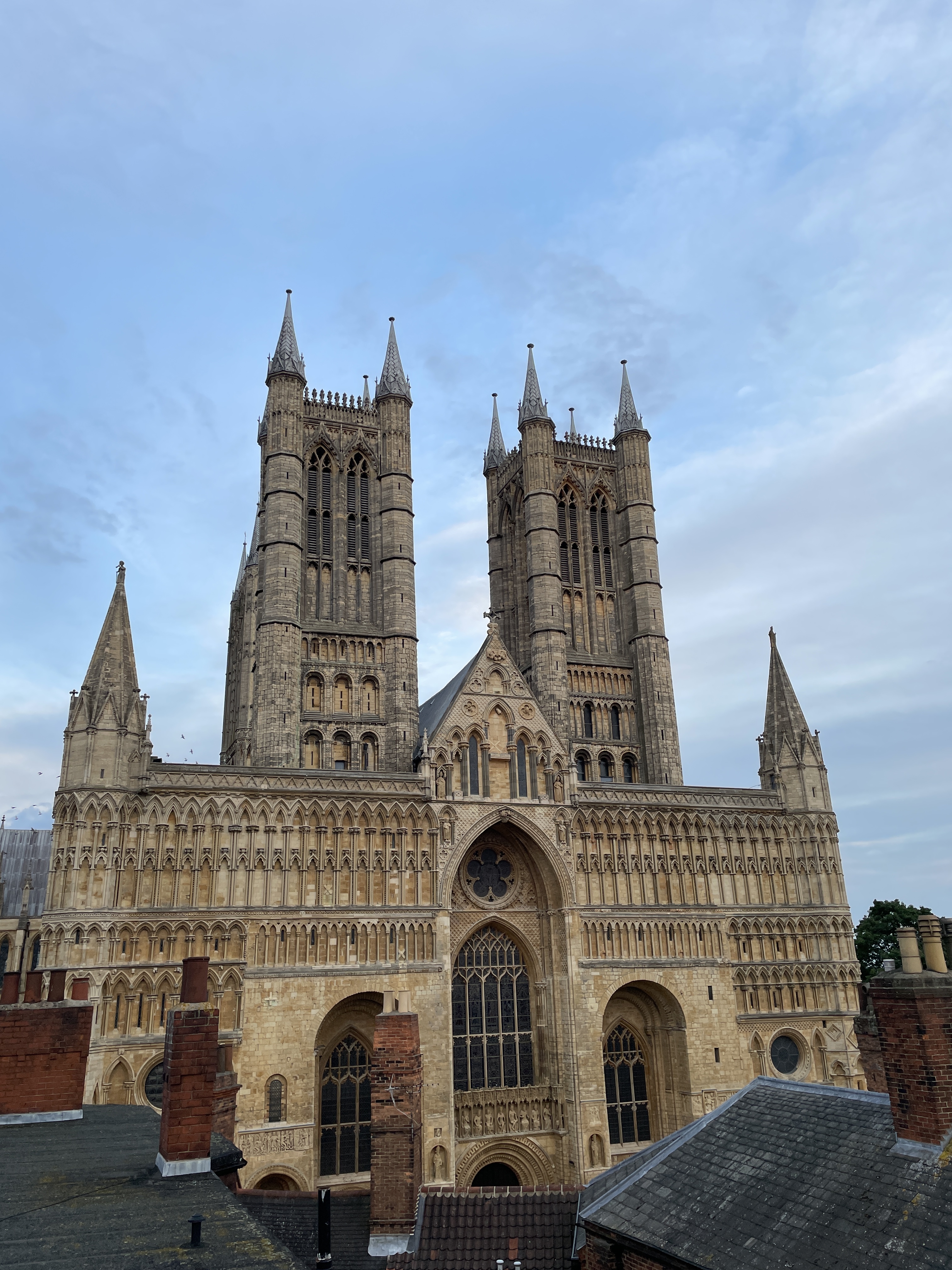
Lincoln, approximately 35 miles east of Worksop via the A57 and A46, represents medieval England at its finest. The city's cathedral, castle, and historic quarter reward a full day's exploration.
Lincoln Cathedral dominates the skyline from miles away. This Gothic masterpiece, completed largely in the 13th century, ranks among Europe's finest cathedrals. The building's sheer scale impresses, whilst details like the Lincoln Imp, medieval stained glass, and the library housing one of four surviving Magna Carta copies warrant careful attention. Guided tours, including tower tours offering spectacular views, operate regularly.
Lincoln Castle, adjacent to the cathedral on Castle Hill, holds another original Magna Carta. The Victorian prison within the castle walls provides fascinating insights into 19th-century penal practices, with separate cells and a chapel where prisoners sat in individual cubicles. Walking the castle walls provides panoramic views across Lincoln and the surrounding countryside.
Steep Hill lives up to its name, climbing from the modern lower city to the historic upper town. This cobbled street, one of Britain's steepest, houses independent shops, cafés, and restaurants in medieval buildings. The effort of climbing rewards visitors with unique shopping experiences and wonderful architecture.
The Bailgate area, around the cathedral and castle, contains Roman ruins including Newport Arch, one of only two Roman gates still used by traffic in Britain. The Museum of Lincolnshire Life on Burton Road explores county life through exhibits spanning agriculture, industry, and social history.
Lincoln's Christmas Market, held annually in early December, transforms the castle and cathedral precincts into a festive wonderland. This hugely popular event attracts hundreds of thousands of visitors over four days, making advance planning essential if visiting during this period.
Nottingham: City Life and Robin Hood
Nottingham, Nottinghamshire's county town, sits approximately 25 miles south of Worksop via the A60 and A614. The city combines its Robin Hood associations with industrial heritage, contemporary culture, and excellent shopping.
Nottingham Castle, recently renovated and reopened, occupies a commanding position overlooking the city centre. While the current building dates from the 17th century rather than Robin Hood's time, the site's history stretches back to Norman times. The castle houses art galleries, exhibitions about Nottingham's history, and stunning views from its grounds.
The City of Caves beneath Nottingham's streets represents a unique attraction. These sandstone caves, carved over centuries, served various purposes from medieval tanneries to air raid shelters. Guided tours through this underground network reveal fascinating stories and remarkable engineering.
The National Justice Museum on High Pavement occupies Nottingham's Georgian courthouse and Victorian gaol. Interactive exhibits explore crime, punishment, and justice through the centuries, with costumed guides bringing historical trials to life. The building's architecture, particularly the courtrooms, provides insight into Victorian judicial proceedings.
Wollaton Hall, located in Wollaton Park on the city's western edge, combines Elizabethan architecture with natural history collections. The building, used as Wayne Manor in Batman films, houses Nottingham Natural History Museum with extensive wildlife displays. The surrounding deer park provides pleasant walking and picnic opportunities.
For shopping, Nottingham offers everything from Victoria Centre and Broadmarsh shopping centres to independent boutiques in the Lace Market district. The city's historic lace-making industry finds contemporary expression in shops and museums celebrating this craft.
Chatsworth House: The Palace of the Peak
Chatsworth House, home of the Duke and Duchess of Devonshire, lies approximately 35 miles northwest of Worksop via the A619 through Baslow. This magnificent stately home, often called the Palace of the Peak, ranks among Britain's most visited country houses.
The house contains 30 rooms open to the public, filled with treasures including Old Master paintings, neoclassical sculptures, and furniture collected over five centuries. The chapel, decorated with elaborate carving and trompe-l'oeil painting, particularly impresses visitors.
The garden, created over 500 years, combines formal terraces with naturalistic planting. The Emperor Fountain, when operating, shoots water 290 feet into the air. The rock garden, cascade, and various garden buildings provide interest across 105 acres. The kitchen garden, restored to productivity, supplies produce to the estate's restaurants.
Chatsworth Park extends to 1,000 acres of parkland designed by Capability Brown. Fallow deer roam freely, whilst waymarked walks lead through woods and along the River Derwent. The Hunting Tower folly, positioned on high ground, offers spectacular views across the estate and Peak District.
The Farmyard and Playground area entertains children with animals, adventure playgrounds, and indoor play spaces. This element makes Chatsworth particularly family-friendly.
Planning visit timing carefully improves the experience. Weekends and school holidays see large crowds, whilst weekday visits offer a more relaxed atmosphere. Various annual events, from Christmas markets to outdoor concerts, enhance standard admission.
Hardwick Hall: More Glass Than Wall
Hardwick Hall, approximately 18 miles from Worksop via the M1, represents Elizabethan architecture and ambition at their peak. Built by Bess of Hardwick in the 1590s, the house's extraordinary window area led to the rhyme "Hardwick Hall, more glass than wall."
The National Trust property preserves remarkable Elizabethan interiors, with original tapestries, plasterwork, and furniture creating an authentic 16th-century atmosphere. The Long Gallery, stretching 167 feet, contains portraits of Tudor courtiers and provides a unique sense of Elizabethan grandeur.
Gardens surrounding the house include formal courtyards, orchards, and a modern herb garden. The parkland, grazed by rare breed cattle, extends to 300 acres and includes waymarked walks through parkland and woodland.
Hardwick Old Hall, the ruined house Bess vacated when moving into the new hall, stands adjacent. English Heritage manages these romantic ruins, which remain impressive despite lacking roofs and floors. Combined tickets allow visiting both properties.
Bolsover Castle: Cavaliers and Seduction
Bolsover Castle crowns a hilltop overlooking Bolsover town, approximately 8 miles from Worksop via the A619. This English Heritage property combines genuine medieval castle remains with a Jacobean mansion fantastically decorated in Baroque style.
The Little Castle, built by William Cavendish in the 17th century, contains elaborate painted rooms celebrating courtly love, mythology, and artistic beauty. The Heaven and Elysium rooms showcase spectacular murals and decorated ceilings that transported guests to imaginary classical worlds.
The Venus Garden, partially restored, recreates a Renaissance pleasure garden designed for aristocratic entertainment. The riding school, one of Europe's finest, demonstrates the importance of horsemanship to 17th-century nobility.
Views from Bolsover Castle extend across five counties on clear days, whilst the castle's dramatic hilltop position makes it visible for miles around. The site hosts events throughout the year, from falconry displays to historical reenactments.
Rufford Abbey: Monastic Past and Country Park Present
Rufford Abbey Country Park, approximately 14 miles south of Worksop via the A614, combines monastic ruins with beautiful parkland and gardens. Nottinghamshire County Council manages this 150-acre park, offering free admission.
The abbey ruins date to the 12th century, when Cistercian monks established a monastery here. Following the Dissolution, the site became a country house, elements of which survive alongside the medieval remains. Interpretation boards explain the site's complex architectural history.
The lake provides habitat for wildfowl and fishing opportunities for permit holders. Woodland walks lead through ancient and more recent planting, with seasonal highlights including bluebells in spring and autumn colours in October.
The craft centre occupies converted estate buildings, with studios selling locally made pottery, jewellery, and artwork. The tearoom serves light meals and cakes in pleasant surroundings.
Seasonal events including outdoor theatre, craft fairs, and family activities enhance regular attractions. The park's free admission and facilities make it popular with families and dog walkers.
Thoresby Hall and Parkland
Thoresby Hall, approximately 8 miles southeast of Worksop via the A614 and B6034, represents the grandest surviving Dukeries estate. The Victorian Gothic house now operates as Warner Leisure Hotels' Thoresby Park, but the parkland remains accessible.
The public footpaths through Thoresby Park traverse designed landscape including specimen trees, a lake, and open parkland. The estate church, St John's at Perlethorpe, sits within the park and displays Victorian Gothic architecture at its finest.
Thoresby Courtyard, located at the park entrance on the A614, houses shops, restaurants, and the visitor centre. The Courtyard operates independently from the hotel, welcoming day visitors year-round. Antique shops, clothing boutiques, and gift stores occupy converted estate buildings around a cobbled yard.
Retford: Market Town Neighbour
Retford, just 10 miles northeast of Worksop via the A638, offers contrasts to its neighbour. This market town, split between East and West Retford by the River Idle, maintains a prosperous air with Georgian and Victorian architecture.
Market Square hosts markets on Thursdays and Saturdays, continuing traditions stretching back centuries. The square's Georgian buildings create an elegant setting for the market stalls and surrounding shops.
The Bassetlaw Museum on Amcott Way tells local history through collections spanning archaeology to industrial heritage. The Chesterfield Canal passes through Retford, with the town lock and basin providing pleasant waterside walking.
Practical Considerations for Day Trips
Most destinations described require car access for convenient visiting, though trains serve Sheffield, Lincoln, and Nottingham from Worksop station. Bus services exist but often require changes and significant travel time.
National Trust and English Heritage memberships provide value for frequent visitors to historic properties. Many sites described belong to these organisations, making annual membership worthwhile if planning multiple visits.
Parking availability and costs vary significantly. City centres typically charge for parking, often with time limits, whilst country houses and parks usually offer free or modestly priced parking in dedicated car parks.
Planning visits around weather forecasts improves outdoor experiences. Gardens and parkland show best in spring and autumn, whilst indoor attractions suit inclement weather.
The variety of attractions within easy reach of Worksop ensures that day trips can cater to any interest, from industrial heritage and art to stately homes and shopping, all accessible within an hour's travel.